

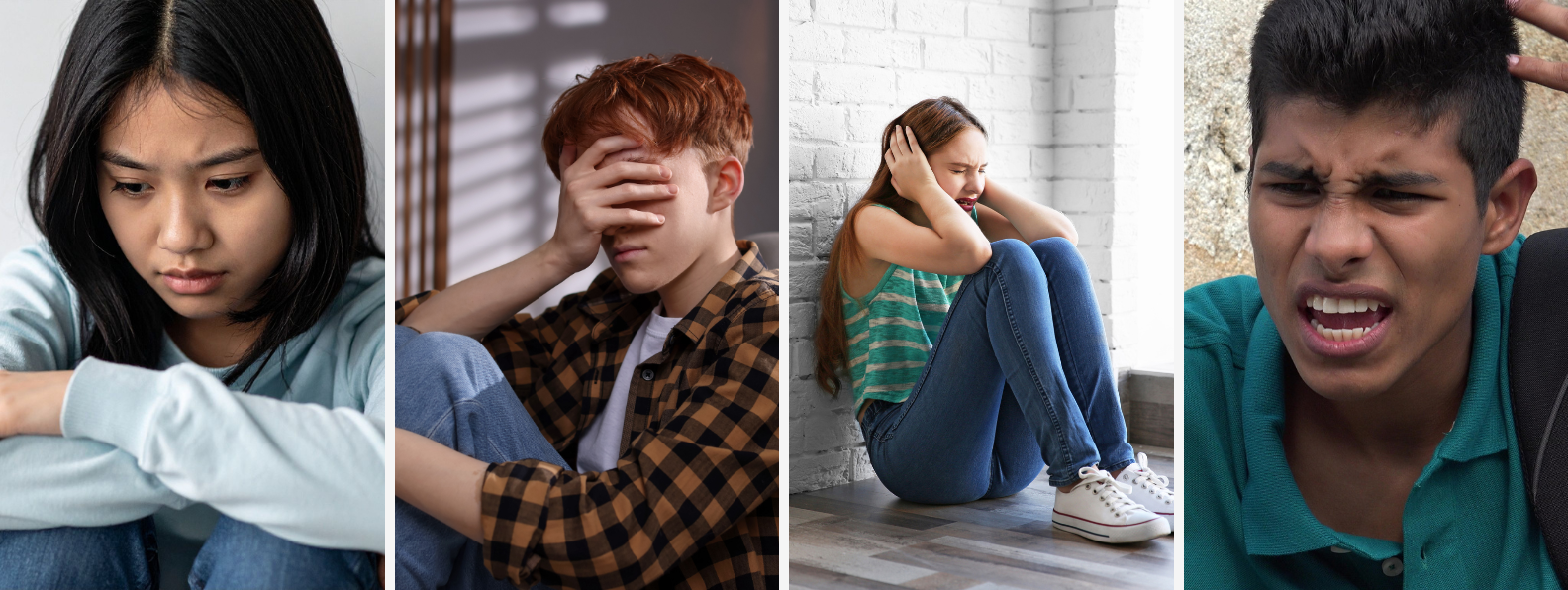
We want to see the teens in our lives thriving, but let’s be real, being a teen these days is extremely challenging. Often during therapy, I spend a lot of time talking with my teen clients about the pressure, stress, and anxiety they are feeling. Here are some of the major themes that have come up regularly:
School
Tough classes, homework, concerns about grades or projects, conflicts with teachers, changing schools, challenging assignments, the impact grades can have on college applications, conflicts with classmates, teasing, and bullying.
Family
Fights with parents and/or siblings, arguments over rules, stressed out adults, parents getting separated or divorced, moving or living in multiple places, increased responsibilities at home like cleaning or caring for siblings or pets, family finances.
Friendships
Peer pressure, fights with friends, dating, changes in friendships, not having friends, or losing friends they did have, making or keeping plans, keeping up with what’s happening on apps, group text messaging issues, feeling isolated or alone.
Other stressors
Finding a job, balancing work and school responsibilities, death of a loved one, higher expectations from the adults in their life.
Between schoolwork, college admissions pressure, worrying about what’s going on social media, and conflicts with family or friends, it’s no wonder teens overall are more stressed out and anxious these days. And it’s hard to escape. If there’s a huge fight happening with friends, just because you’re not in the same space anymore doesn’t mean you can block out the argument. The fight can follow you via social media or apps or on a group message.
What strategies work to help teens cope?
When I’m working with teens, I love to explore lots of different types of coping skills that they might like and use, including:
Deep Breathing
There are so many different ways to take deep breaths.
Ocean Breathing
Breathe in and imagine the wave rolling in, breathe out and imagine the wave rolling out.
Relaxation
Calming activities like taking mindful moments, using grounding techniques, or using their imagination to help teens relax their minds and bodies
remember the Words to a song you love
Music can shift your mood, help you relax, or inspire you. Some lyrics can help us feel better or comfort us. To call on the power of music, one thing you can try is to remember the words to a song you love. First, identify the song. If you want, you can play it. If you’re in a place where you can’t play it, then think of the lyrics in your head.
Distraction
Fun and enjoyable activities to take a break
Listen to an audiobook or podcast
It can be hard to give your brain a break, but sometimes if you get fully engaged by a story, that can help you focus on something else other than your worries. Listening to an audio book or podcast can be a great way to do that. Think about what you’d like to listen to that would pull you in and let your mind rest.
Movement
Strategies that involve moving their bodies in a variety of ways
Walking outside
Being outside can help you reset when you are feeling stressed or anxious. If you need a break, sometimes it helps to take a moment outside and breathe in air, maybe feel the sun on your skin, and look at what you see around you.
Sensory
Ideas for using their senses to relax and de-stress
Splash Cold water on your face
Splashing some water on your face can help you reset. If you’ve been having a challenging time, taking a few minutes to go to the bathroom, splash a little water on your face, and see how it makes you feel.
Processing
Identifying their feelings and emotions, expressing those feelings using art, writing, journaling, and more
Talk to someone you trust
Talking to someone seems like a simple intervention, but it can do wonders for helping you. When you share positive things with someone else, your joy grows. When you share negative thoughts or worries with someone else, it lessens the pain.
Talking to someone can make it easier to process situations that are happening to you. You may see things differently, or be able to identify different thoughts and emotions you have around certain situations by chatting with someone. The other person can act as a sounding board, helping you figure out what went wrong, and what to do next. Having a conversation can also help you get ideas for dealing with your problems.
Do you have any advice for supporting teens?
Yes, I do! I’ve done several podcast episodes specifically related to working with teens.
Episode 58 - Teens and Coping Skills
Episode 60 - A Coping Skill that “Literally” Works, according to a Teen
Episode 79 - Deep Breathing Strategies for Teens
Episode 152 - Coping Skills for Teens Who are Angry
Episode 169 - Helping Teens with Stress: An Interview with Dr. Chinwé Williams
Episode 187 - Supporting teen emotional regulation while staying connected: An interview with Ronnie Vehemente
I’m not sure where to begin. What can I do?
There are lots of free resources over at copingskillsforkids.com.
If you want to purchase workbooks, journals, coping cards for teens, and printables to help teach coping skills, visit store.copingskillsforkids.com.
If you want more detailed support, like classes, webinars, and direct support from me, join the Coping Skills Hub.
Teen Resources from the Store
Get support in the Coping Skills Hub
The Coping Skills Hub helps everyone of all ages find and use their coping skills.
In the Hub, you will find…
Monthly Challenges & Opportunities for Connection - Different challenges every month to help you and your children playfully explore coping skills. Answer connection questions, and participate in live events to connect to others in the community.
250+ coping strategies for everyone - Organized by coping style, each strategy has a visual to encourage using strategies in the moment, when skills are needed. Perfect for personalizing a reset space or on the go toolkit!
A simple 5 step process to teach kids coping skills - from connecting with kids to practicing and reviewing strategies so that kids use them when they need them!
40+ audio practice lessons to make it easier for kids, teens, and adults to explore and practice coping skills
Video library of webinars, classes, and mini expert lessons to expand your learning on topics like anxiety, anger, sensory, connection activities, screen time, mindfulness, friendship and more, all available on demand
On-demand courses like Create Coping Skills Champions and Coping Skills for Teens with Anxiety, created to help you explore strategies in an organized way
The best way to learn anything is through play, so there’s a whole section on Games and Activities to playfully explore feelings and practice coping skills
All the resources you need to create a personalized toolkit for your child or teen and set up your home to encourage kids to use coping skills when they need them
Coping Skills for Adults - an area where we as adults can explore and grow our own strategies, so we can role model using strategies, and create our own mental wellness plan.
Resources for Mental Health Professionals - Lesson Plans, Treatment Plan Templates, and pre- and post-tests to make it easier to use these coping skills with individual clients or in groups.
Expert consultation and personalized support - Unlike generic online resources, Hub members get direct access to a Licensed Counselor for one-on-one guidance and personalized strategies that fit your specific needs
available on iOS and Android as well, so you can use the Hub wherever you are
New resources are added monthly!
Get more information about the Hub
New resources are added monthly!